

























Brian Acebo Apologetics
Spiritual But Not Religious
To believe in a spiritual dimension and make no effort to investigate it is a strange intellectual position. The spiritual-but-not-religious instinct is real — but it is incomplete.
Many people today describe themselves as spiritual but not religious. They believe in something beyond the material world — some transcendent dimension, some greater reality — but they have no interest in organized religion, doctrinal claims, or institutional faith. It is a position that feels honest, open-minded, and safe.
It deserves to be engaged seriously, not dismissed. But it also deserves honest scrutiny, because on examination it contains some significant problems.
At Least It's Not Atheism
The spiritual-but-not-religious position acknowledges something that atheism denies: that the material world is not all there is. That acknowledgment is significant. It means the person has not closed the door — they have recognized that the door exists, even if they are not ready to walk through it.
Atheism asserts that God does not exist. Agnosticism claims uncertainty or insists the question is unanswerable. Spiritual-but-not-religious sits in a different place — affirming the reality of the supernatural while declining to investigate it further. That declining is where the position becomes philosophically unstable.
The Limits of Private Spirituality
To believe that a spiritual dimension exists, and then to make no serious effort to understand it, is a strange intellectual position. We do not treat any other domain of reality this way. A person who believes that the physical world exists goes on to study physics. A person who believes that history happened goes on to read about it. The existence of a domain of reality is normally taken as a reason to investigate it — not as a reason to maintain a comfortable, non-committal relationship with it from a distance.
There is also an assumption embedded in the spiritual-but-not-religious position that is rarely examined: that personal spiritual experience is a reliable guide to spiritual truth. But personal experience is notoriously difficult to verify, easy to misinterpret, and vulnerable to self-deception. Religion, at its best, provides a framework for testing, refining, and grounding spiritual experience against something more stable than private feeling.
The Catechism captures the deeper dynamic at work:
"With his openness to truth and beauty, his sense of moral goodness, his freedom and the voice of his conscience, with his longings for the infinite and for happiness, man questions himself about God's existence. In all this he discerns signs of his spiritual soul." — CCC 33
Those longings are real. C.S. Lewis argued that they are not just psychological phenomena but signals — evidence that we were made for something the material world cannot provide:
"If I find in myself a desire which no experience in this world can satisfy, the most probable explanation is that I was made for another world."
The spiritual-but-not-religious person has felt that desire. The question is whether they are willing to follow it to its source.
The Value of Seeking Further
Religion is not primarily a social institution or a set of moral rules. At its best, it is a structured path for investigating and responding to the reality that spirituality acknowledges. Christianity in particular does not ask people to suppress their questions — it invites them to push those questions as far as they will go, because the evidence accumulated over two millennia of history, philosophy, and lived experience does not run out.
God has not left Himself without testimony. He has revealed Himself through the structure of creation, through the moral instinct written into every human conscience, through the history of a people He chose and guided, and finally and definitively through a Person — Jesus Christ, whose life, death, and resurrection are historical events subject to the same scrutiny as any other historical claim.
"Ever since the creation of the world His invisible nature, namely, His eternal power and deity, has been clearly perceived in the things that have been made." — Romans 1:20
The spiritual-but-not-religious position is not wrong to acknowledge the supernatural. It is simply incomplete. It recognizes the signal without following it to the source. And the source — the God who made us for Himself and will not stop drawing us back — is not content to remain a vague spiritual impression. He is content only with us.
"You have made us for yourself, and our heart is restless until it rests in you." — St. Augustine, Confessions
May the Lord bless you and keep you.
About the author
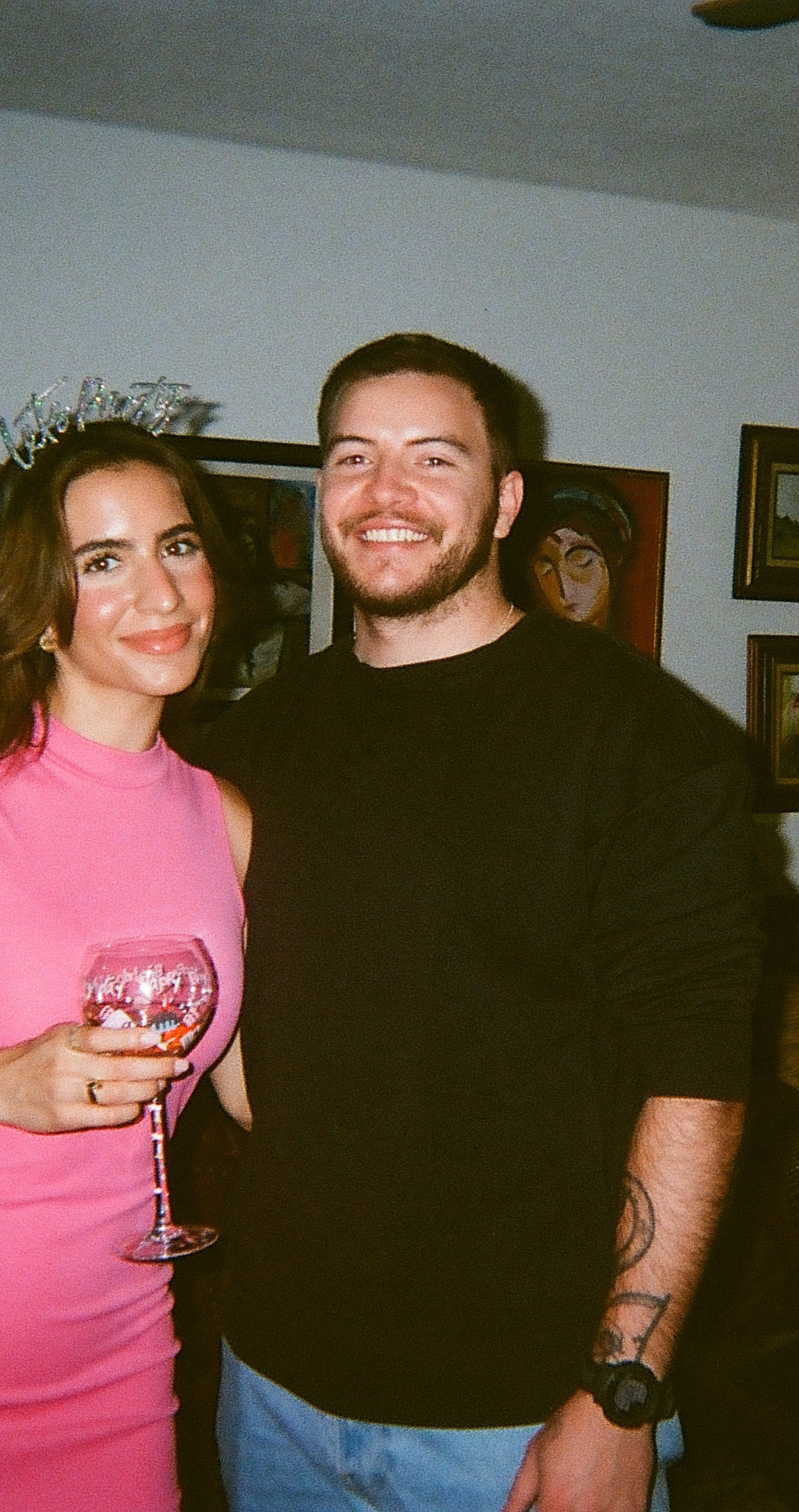
I'm a Catholic layman from Fort Lauderdale, Florida. No seminary, no credentials — just a deep love for the Faith and a conviction that ordinary Catholics are called to evangelize.
Related articles
Apologetics
The Perpetual Virginity of Mary: A Complete Linguistic, Historical, and Theological Defense
The perpetual virginity of Mary — the teaching that Mary remained a virgin before, during, and after the birth of Jesus — is one of the oldest and most consistently held beliefs in Catholic and Orthodox Christianity.

Join the community
Subscribe to our weekly newsletter for curated inspiration, delivered to your inbox.
We never share your data. See Privacy Policy for more info.