




























Brian Acebo Scripture
Proverbs 19:17
Proverbs 19:17 reframes generosity entirely: kindness to the poor is not charity that costs you something. It is a loan to God, who considers Himself your debtor and will repay in full.
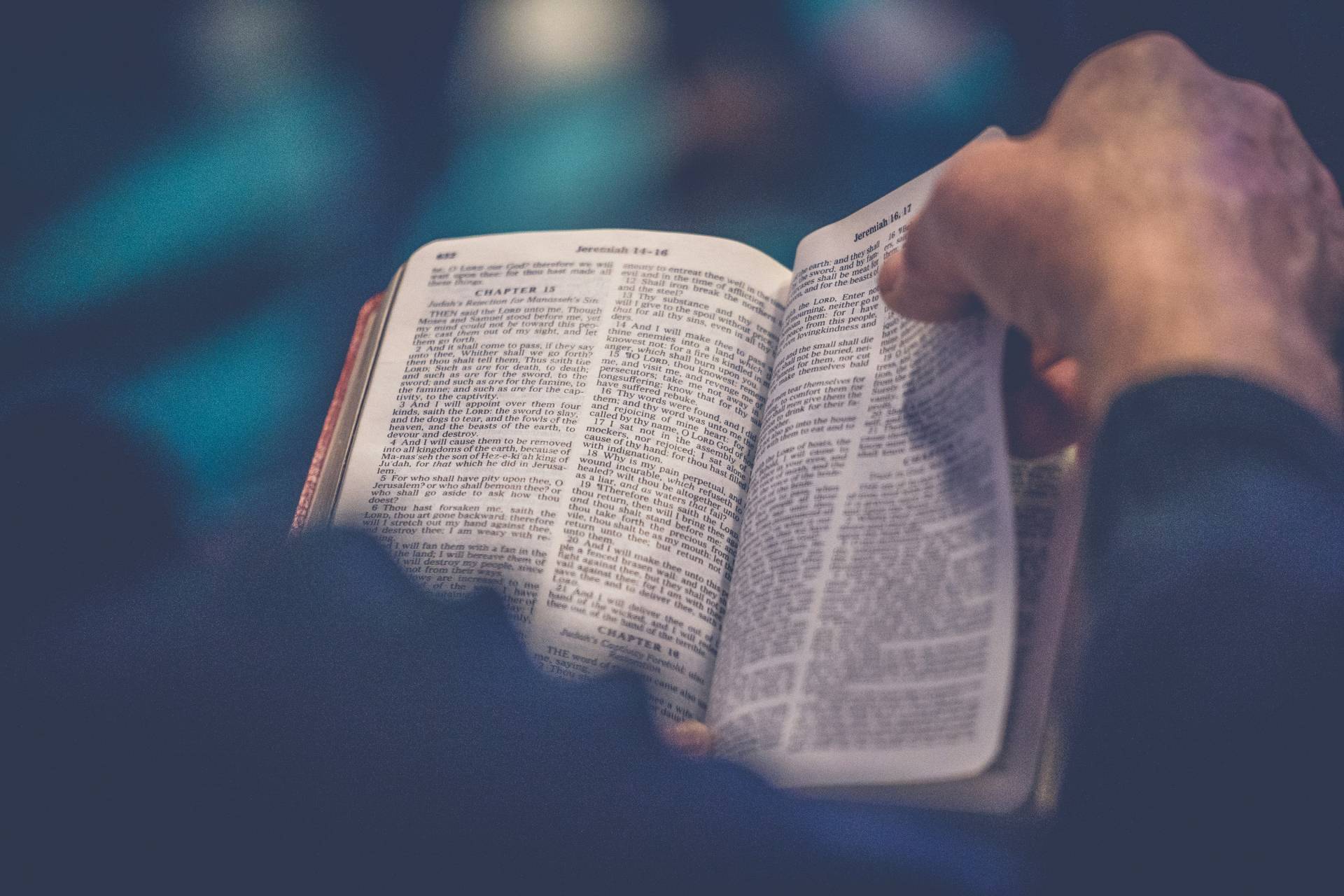
"Whoever is kind to the poor lends to the Lord, and will be repaid in full." — Proverbs 19:17 NRSV-CI
This verse is one of the most striking in the entire book of Proverbs, and its strangeness is worth sitting with. The claim is not that kindness to the poor is virtuous, or that God approves of generosity, or that the poor deserve our compassion. The claim is stranger and more specific than any of those: when you are kind to the poor, you are lending to God. He becomes your debtor. He will repay.
Kindness as a Transaction with God
In the ancient world, lending carried real weight. It was an act that created obligation — a formal bond between the lender and the one who received. The Proverb uses this language deliberately. When you extend kindness to someone in poverty, the transaction does not remain between you and them. God inserts Himself into it. He takes the place of the debtor. The one you helped becomes, in a sense, the occasion through which God has received something from you — and God, unlike most debtors, is entirely reliable and infinitely capable of repayment.
This is not merely poetic. It reflects a principle that runs through the entire Old Testament and reaches its clearest expression in Jesus's words in Matthew 25: "Whatever you did for one of the least of these brothers and sisters of mine, you did for me." The identification of God with the poor is not a social justice slogan. It is a theological claim about how God has chosen to be encountered in the world.
The Promise of Repayment
The verse does not specify the form of repayment or its timing. It says simply that repayment will come, and that it will be in full. This is not a prosperity gospel — the promise is not that generosity to the poor will result in immediate material return. Scripture is clear that faithfulness often precedes long seasons of apparent lack.
But the promise is real. No act of genuine kindness toward the poor falls outside God's accounting. He sees it. He records it. He considers Himself the one who owes a debt because of it. And His repayment — whether in this life or the next, whether in material form or in the deeper currencies of peace, meaning, and eternal life — will be complete.
The Call to Generosity
At its core, this verse is an invitation to rethink what generosity costs. The instinct when giving to someone in need is to calculate the loss — what is leaving your hand, your account, your time. The Proverb reframes the calculation entirely. What appears to be leaving is actually being placed in the most secure account imaginable. You are not impoverishing yourself. You are lending to God.
This reframing is not a trick to make giving feel less costly. It is a truthful description of what is actually happening when the people of God care for those who cannot care for themselves. The poor are not merely unfortunate people who need help. They are, in the economy of the kingdom, the very place where an encounter with God is made available — to those who are paying attention.
May the Lord bless you and keep you.

About the author
I'm a Catholic layman from Fort Lauderdale, Florida. No seminary, no credentials — just a deep love for the Faith and a conviction that ordinary Catholics are called to evangelize.
Related articles
Apologetics
The Perpetual Virginity of Mary: A Complete Linguistic, Historical, and Theological Defense
The perpetual virginity of Mary — the teaching that Mary remained a virgin before, during, and after the birth of Jesus — is one of the oldest and most consistently held beliefs in Catholic and Orthodox Christianity.

Join the community
Subscribe to our weekly newsletter for curated inspiration, delivered to your inbox.
We never share your data. See Privacy Policy for more info.