





























Brian Acebo Scripture
Hebrews 13:8
Hebrews 13:8 stakes everything on a single claim: Jesus Christ does not change. What He was in the past, He is now. What He is now, He will be forever. That constancy is the ground of faith.
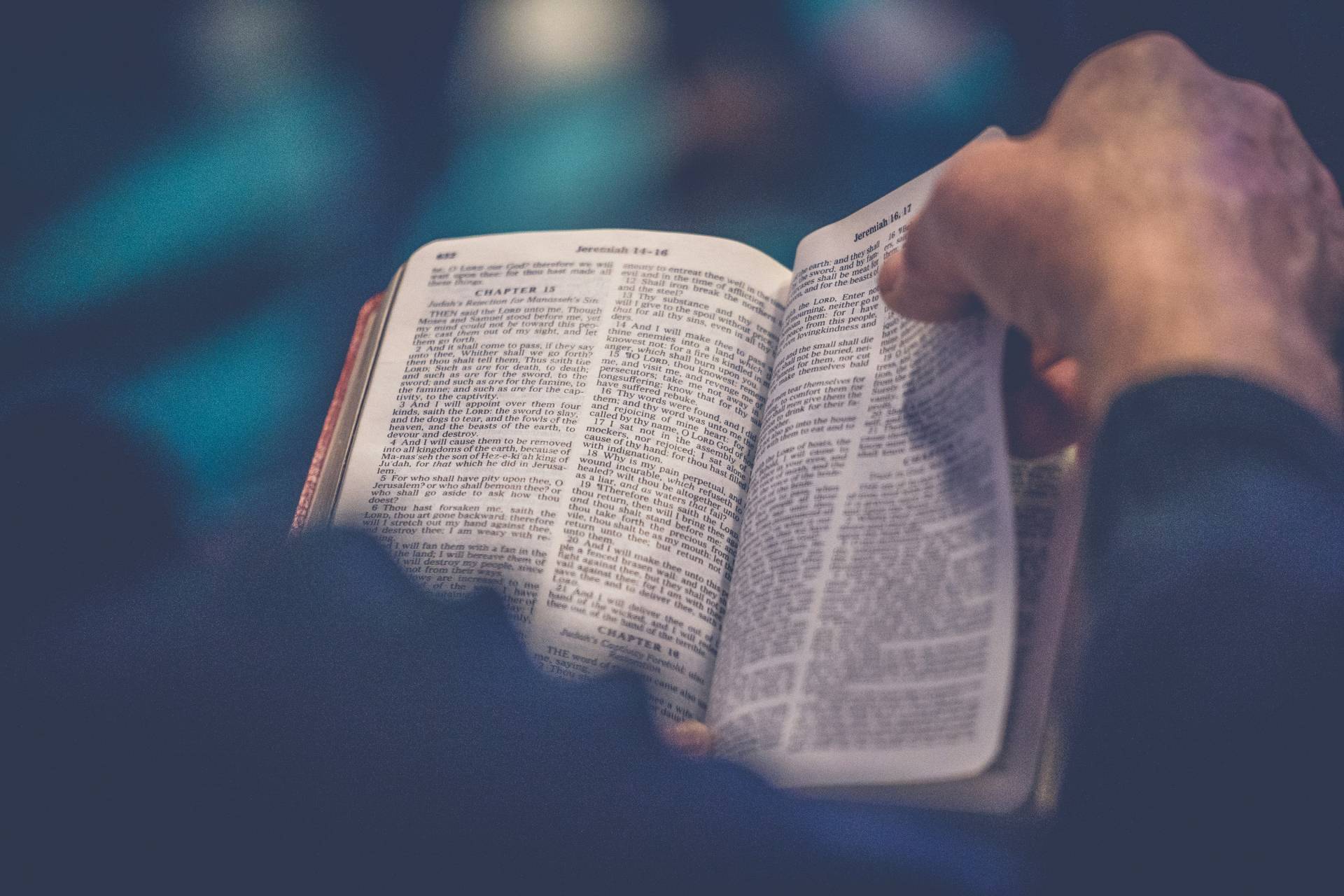
"Jesus Christ is the same yesterday and today and forever." — Hebrews 13:8 NRSV-CI
This verse appears near the end of the letter to the Hebrews, almost as a summary declaration after chapters of careful argument about the priesthood of Christ, the superiority of the new covenant, and the faithfulness of those who have gone before. It is brief, and its brevity is part of its power. Eight words that stake everything on a single claim about the nature of Jesus Christ.
Yesterday: The Foundation of Faith
When the author says yesterday, he is not speaking only of the previous day. He is speaking of everything that has already occurred — the life, death, and resurrection of Jesus Christ, the miracles, the teachings, the promises made and fulfilled. The same Jesus who walked on earth, healed the sick, forgave sinners, and rose from the dead is the one being addressed in prayer today.
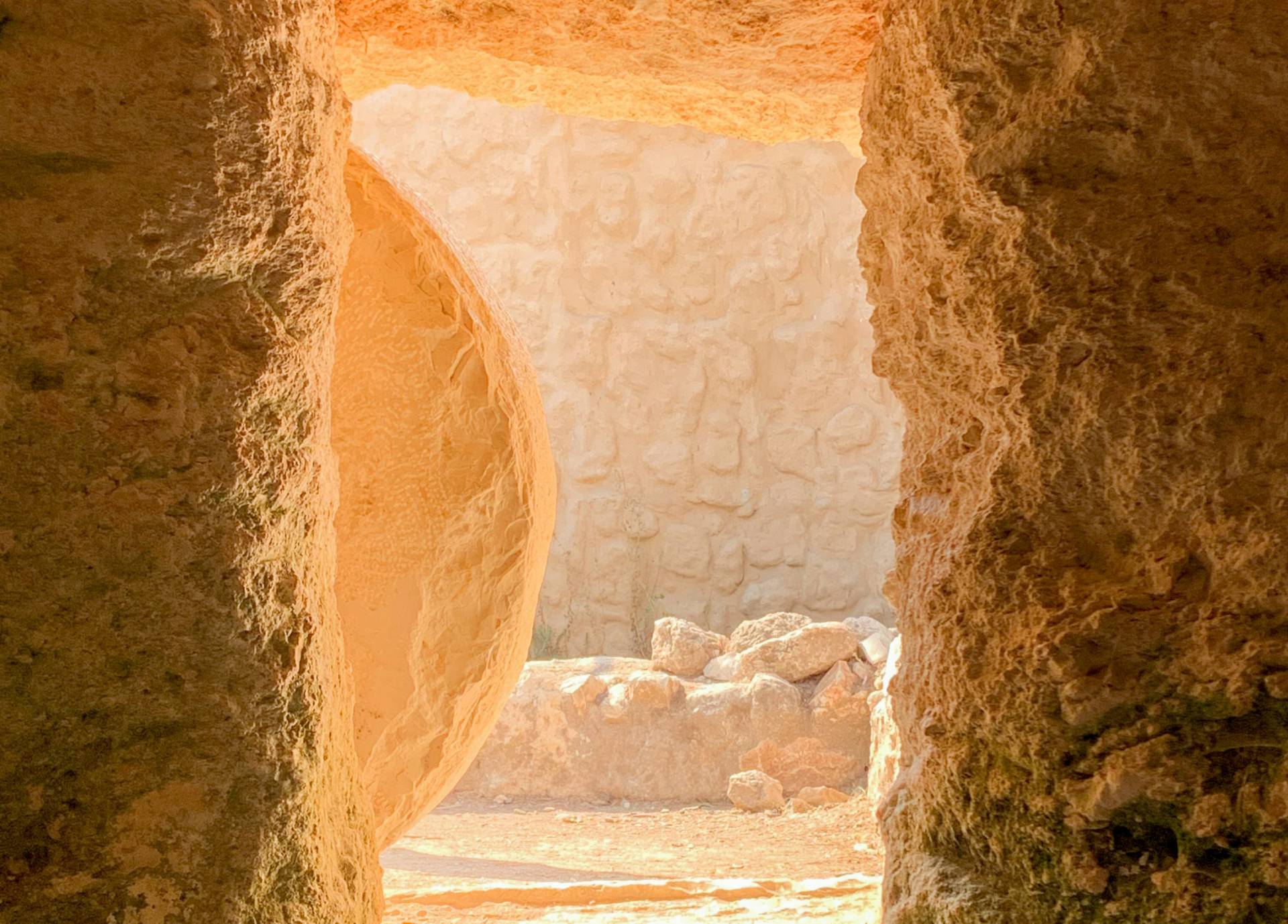
This matters enormously for faith. The God Christians worship is not an abstraction or a principle. He is a person with a history — a history of specific acts, specific promises, and specific faithfulness. The resurrection is not merely a theological claim. It is a historical event, and because it is historical, it is permanent. What Christ accomplished on the cross and demonstrated in the empty tomb cannot be undone. The past is secured.
For the Hebrew Christians receiving this letter — many of whom were under pressure to abandon their faith and return to the Judaism they had left — this was not a trivial point. The author is reminding them that the Jesus they believe in is the same one who fulfilled the law, satisfied the requirements of the old covenant, and opened a way to God that the temple sacrifices could only point toward. That does not change with the political climate or the social cost of belief.
Today: The Present Reality
Jesus is the same today. His power is not confined to a moment in first-century Palestine. His presence through the Holy Spirit is not a lesser form of what the disciples experienced — it is the same Christ, continuing to guide, strengthen, and intercede. The letter to the Hebrews has already made this explicit: Christ lives to make intercession for those who draw near to God through Him (Hebrews 7:25).
This is the ground of present confidence. Whatever the believer faces today — doubt, suffering, temptation, the slow erosion of hope — the one being called upon is not diminished, not distracted, not changed by the passage of time. He is the same. The faithfulness that sustained Paul in prison and the martyrs under persecution is available now, because its source has not changed.
Forever: The Anchor of Hope
The final word is the most expansive: forever. Jesus is not bound by time. His kingdom will not end. His promises do not expire. For those living in uncertainty — and the original readers of Hebrews were living with considerable uncertainty — this is not a platitude. It is the reason perseverance is possible at all.
Malachi 3:6 records God saying, "I the Lord do not change." The author of Hebrews is applying that same divine constancy directly to Jesus — a claim that is, quietly but unmistakably, a claim about His divine nature. Only God is the same yesterday, today, and forever. Only God stands outside the movement of time in such a way that His character, His power, and His purposes remain unaltered by it.
In an uncertain world, this verse does not offer the believer a guarantee that circumstances will not change. It offers something more durable: the assurance that the one holding everything together will not.
May the Lord bless you and keep you.

About the author
I'm a Catholic layman from Fort Lauderdale, Florida. No seminary, no credentials — just a deep love for the Faith and a conviction that ordinary Catholics are called to evangelize.
Related articles
Apologetics
The Perpetual Virginity of Mary: A Complete Linguistic, Historical, and Theological Defense
The perpetual virginity of Mary — the teaching that Mary remained a virgin before, during, and after the birth of Jesus — is one of the oldest and most consistently held beliefs in Catholic and Orthodox Christianity.

Join the community
Subscribe to our weekly newsletter for curated inspiration, delivered to your inbox.
We never share your data. See Privacy Policy for more info.