





















Brian Acebo Scripture
John 6:51
John 6:51 is Jesus' most direct claim about who He is and what He offers: the living bread that came down from heaven, given as flesh for the life of the world. The invitation is to receive, not merely believe.
"I am the living bread that came down from heaven. Whoever eats of this bread will live forever; and the bread that I will give for the life of the world is my flesh." — John 6:51
This verse sits at the center of the Bread of Life discourse — one of the most theologically dense and personally demanding passages in all of the Gospels. The crowd that Jesus is addressing has just been fed miraculously, five thousand people from five loaves and two fish. They followed Him across the lake looking for more. What they find instead is a claim that will divide the room.
The Living Bread
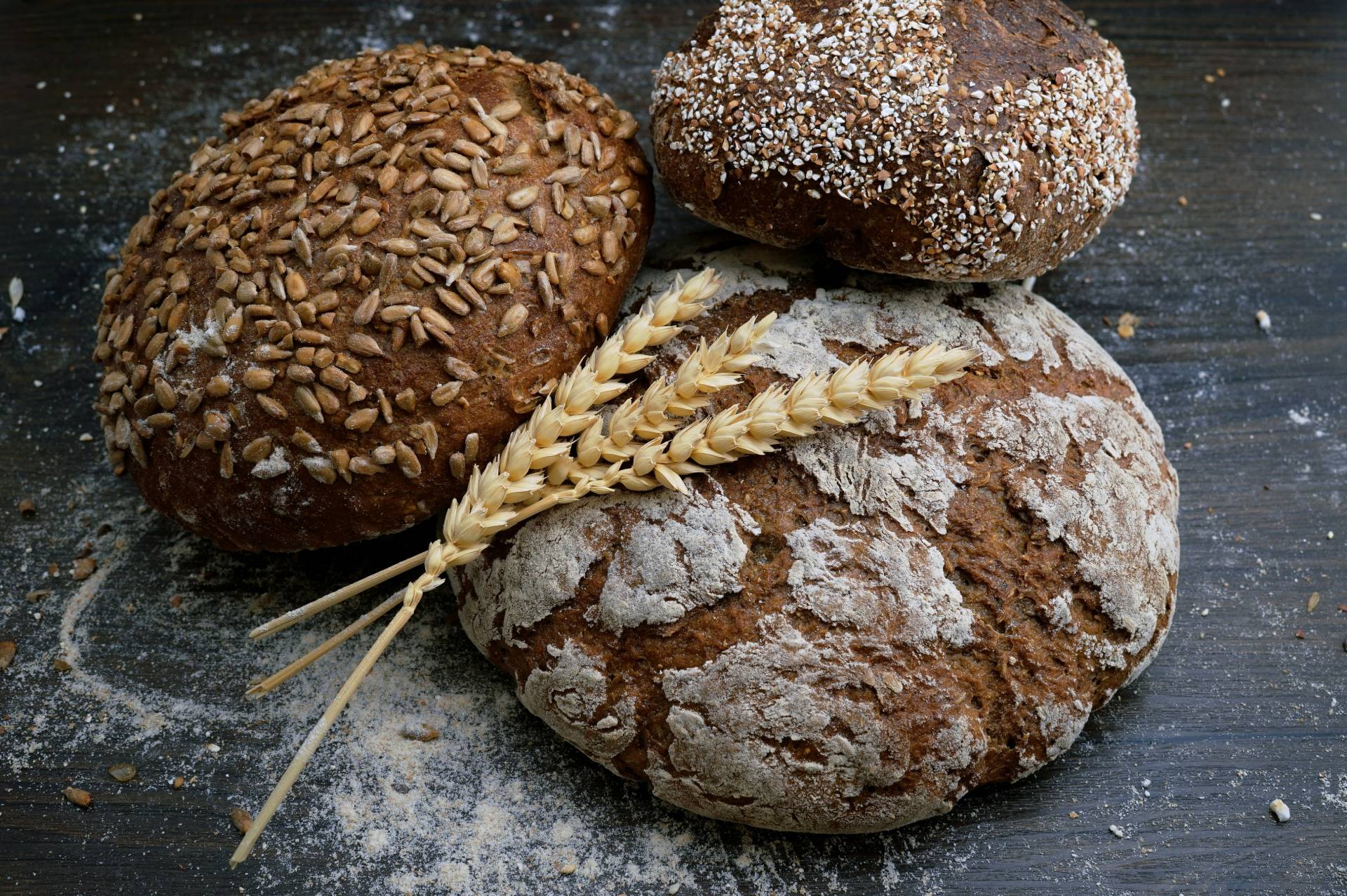
Jesus opens by calling Himself the living bread that came down from heaven. The contrast with manna is deliberate and sharp. The crowd has already invoked their ancestors' experience in the wilderness — God gave them bread from heaven to eat (John 6:31). Jesus accepts the comparison and then exceeds it entirely. Manna sustained physical life temporarily. Those who ate it died. The bread Jesus offers sustains eternal life — not as a supplement to ordinary existence, but as its source.
The phrase came down from heaven is a claim about origin, not just authority. Jesus is not a teacher who has discovered spiritual truth and now passes it on. He is the thing itself — the sustenance the human soul requires, arriving from outside the created order because the created order cannot produce what it most deeply needs.
Whoever Eats Will Live Forever
The promise is unconditional in its scope and absolute in its content: whoever eats of this bread will live forever. The act of eating here carries the full weight that eating carries throughout Scripture — it is not passive reception but active participation, an incorporation of what is consumed into the one consuming it. To eat the bread of life is to take Christ into oneself, to allow Him to become the sustaining principle of one's existence.
This goes beyond intellectual assent. Jesus is not saying that whoever agrees with a set of propositions about Him will live forever. He is describing a union — the kind of union that happens when one person's life genuinely becomes the nourishment of another's.
My Flesh for the Life of the World
The verse ends with its most startling claim: the bread that Jesus will give for the life of the world is His flesh. The crowd will react to this with immediate disgust — "How can this man give us his flesh to eat?" — and Jesus will not soften it. He will intensify it, insisting four more times that His flesh is true food and His blood true drink, and that without eating and drinking them there is no life.
The forward-looking phrase the bread that I will give points to the cross. The giving of His flesh for the life of the world is the crucifixion — the moment when the living bread is broken, when the life that sustains all life is poured out so that those who have no life in themselves might receive it.
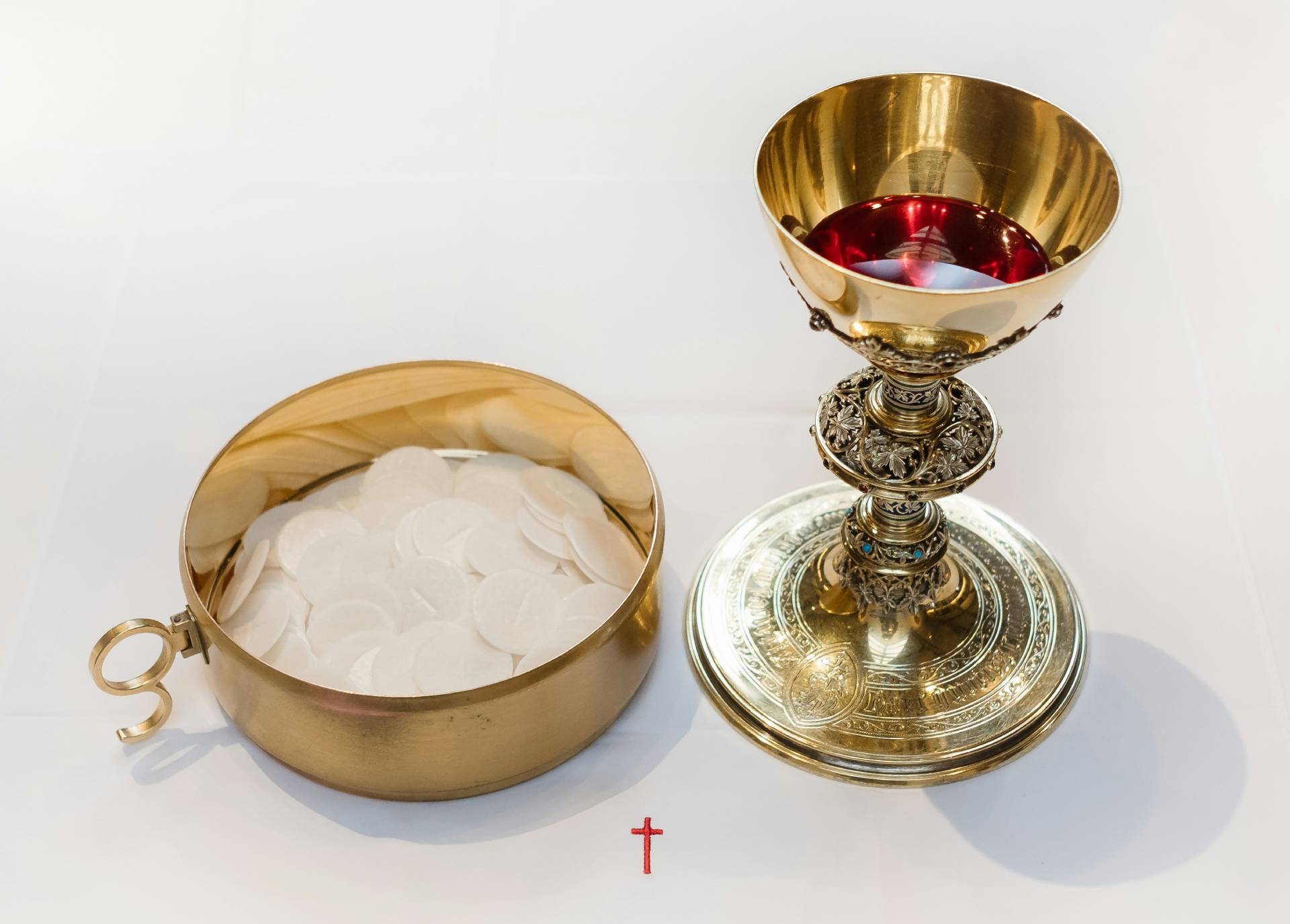
But the Eucharist is also here, foreshadowed unmistakably. What Jesus announces in John 6, He will institute at the Last Supper — taking bread, declaring it His body given for them, commanding that it be done in His memory. The feeding of the five thousand, the Bread of Life discourse, and the Last Supper are a single continuous movement, each illuminating the others.
The invitation of this verse is not primarily intellectual. It is the invitation to receive — to take in the one who gave Himself for the life of the world, and in receiving Him, to find that the hunger nothing else has ever satisfied finally, truly, comes to rest.
May the Lord bless you and keep you.

About the author
I'm a Catholic layman from Fort Lauderdale, Florida. No seminary, no credentials — just a deep love for the Faith and a conviction that ordinary Catholics are called to evangelize.
Related articles
Apologetics
The Perpetual Virginity of Mary: A Complete Linguistic, Historical, and Theological Defense
The perpetual virginity of Mary — the teaching that Mary remained a virgin before, during, and after the birth of Jesus — is one of the oldest and most consistently held beliefs in Catholic and Orthodox Christianity.

Join the community
Subscribe to our weekly newsletter for curated inspiration, delivered to your inbox.
We never share your data. See Privacy Policy for more info.