

























2 min read
Divine Office
The Divine Office — also called the Liturgy of the Hours — is the public prayer of the Church which sanctifies the whole course of the day and night, through which Christ continues his priestly work through the prayer of his people.
The Divine Office — formally known as the Liturgy of the Hours — is the public prayer of the Church which sanctifies the whole course of the day and night. Through it, Christ continues his priestly work through the prayer of his priestly people (CCC 1174). It is not a private devotion but the official communal prayer of the Church, binding on clergy and religious and encouraged for all the faithful.
Structure and Content
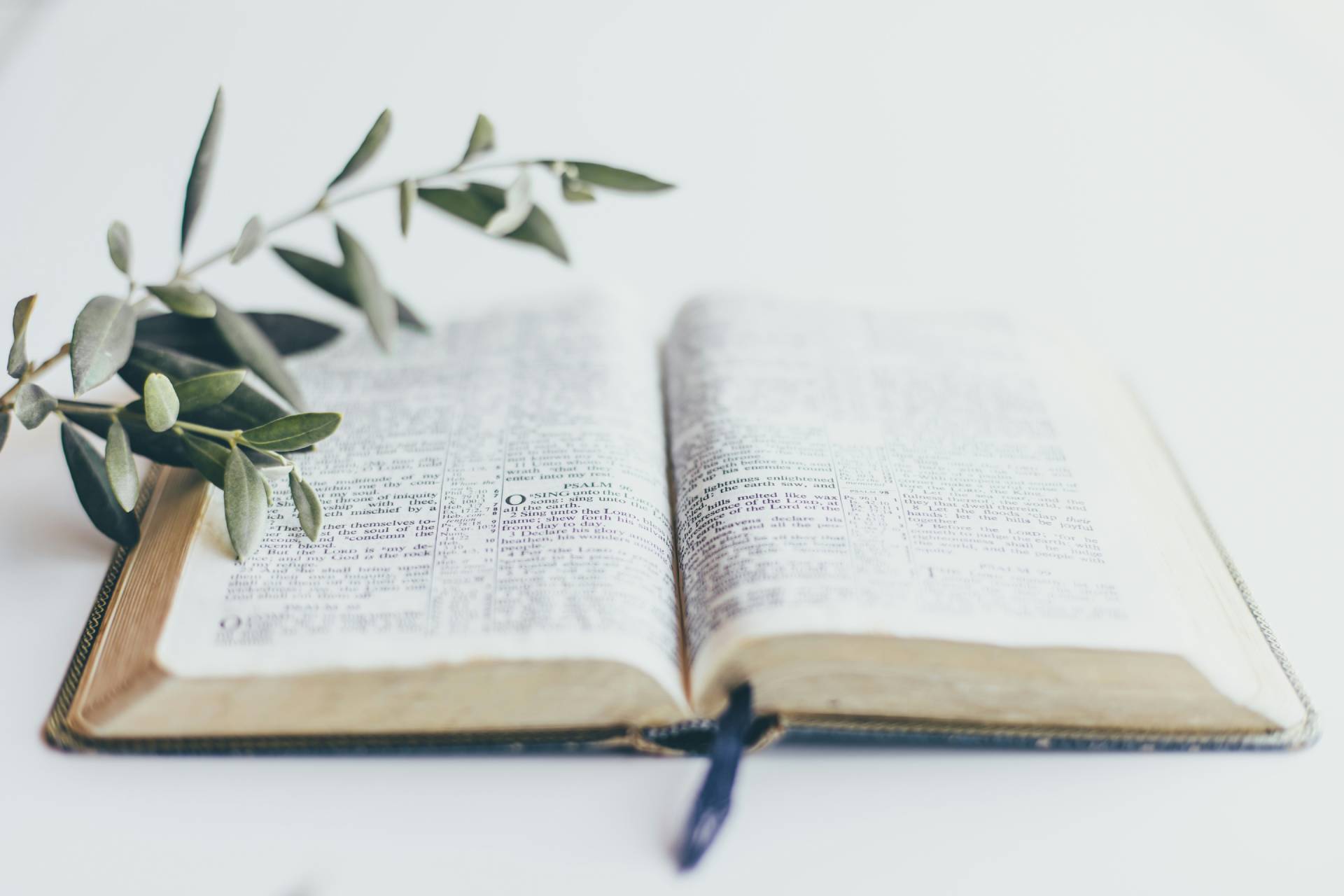
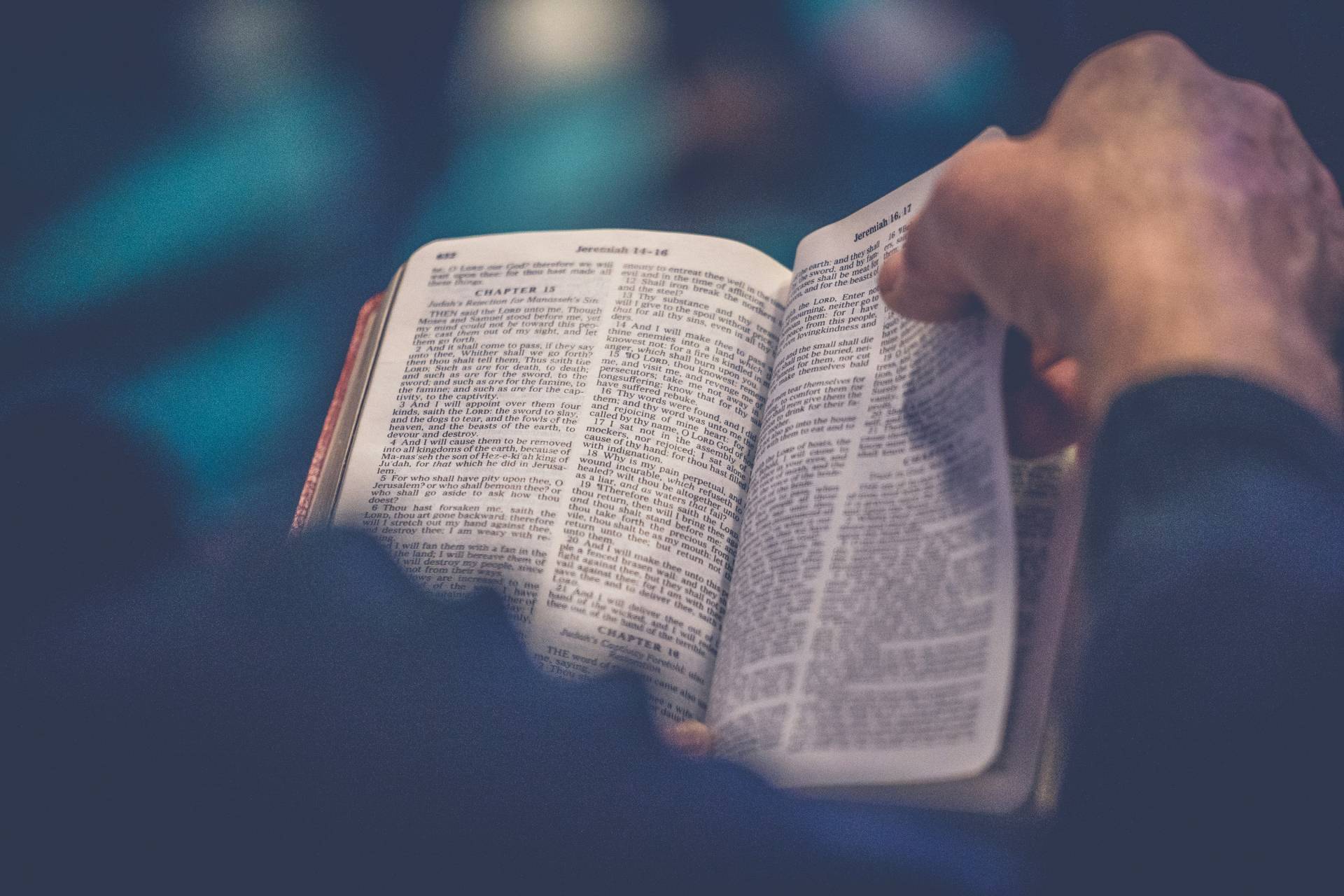
The Liturgy of the Hours is structured around fixed hours of the day — principally Morning Prayer (Lauds), Evening Prayer (Vespers), and the Office of Readings — with shorter "hours" throughout the day. The celebration integrates hymns, the psalms, readings from Scripture, writings of the Fathers, and responsories that unfold the mystery of Christ across the liturgical year (CCC 1177).
The Prayer of the Whole Church
The Catechism describes the Liturgy of the Hours as "truly the voice of the Bride herself addressed to her Bridegroom" — the very prayer that Christ himself, together with his Body, addresses to the Father (CCC 1174). Priests are obliged to pray it daily; religious pray it in community; and the laity are strongly encouraged to participate, especially in Vespers (CCC 1175).
Relationship to the Eucharist
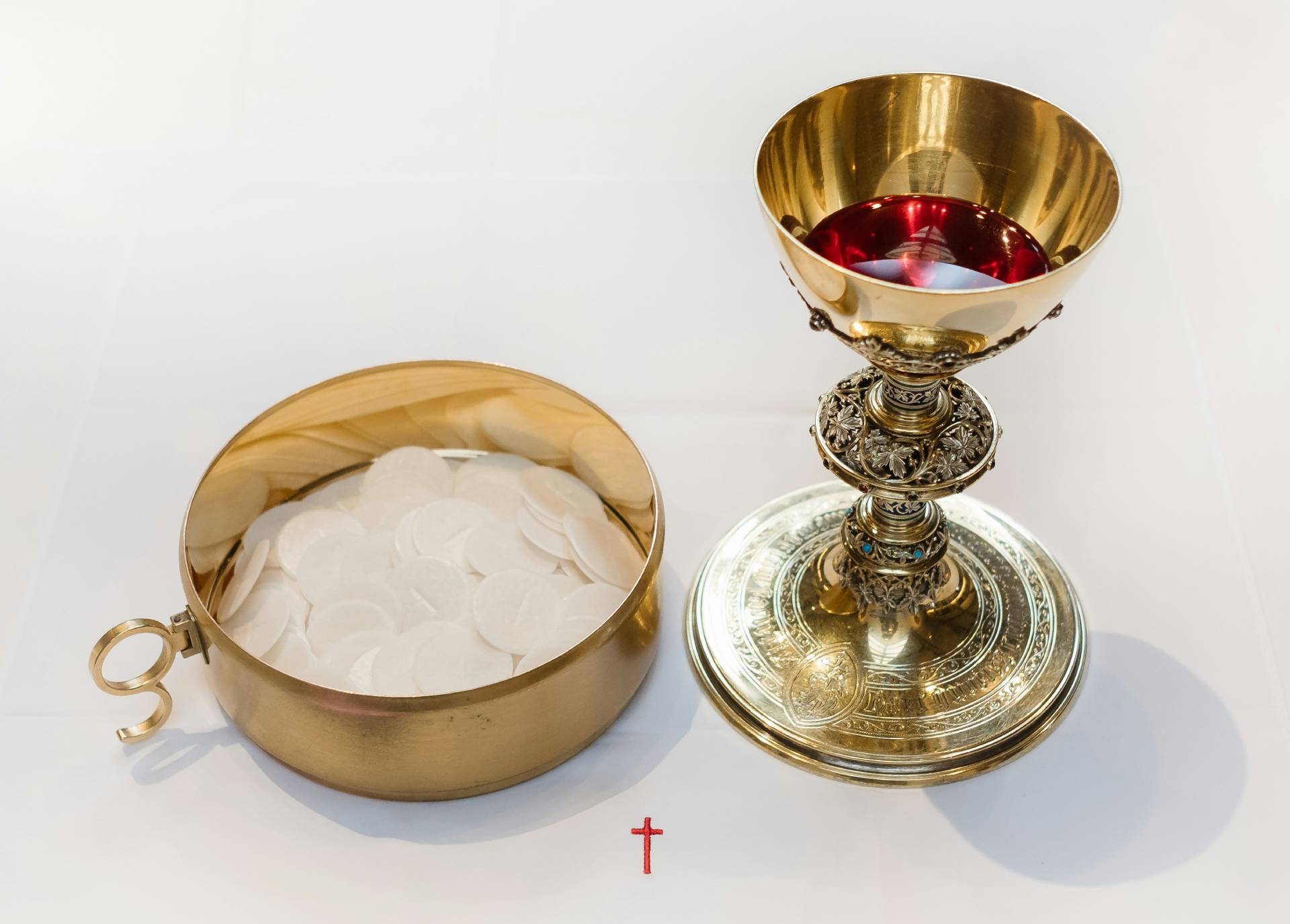
The Liturgy of the Hours does not stand apart from the Mass but extends it. The Catechism describes it as "like an extension of the Eucharistic celebration," calling forth the various devotions of the People of God, especially adoration of the Blessed Sacrament (CCC 1178).
Frequently Asked Questions
Are laypeople required to pray the Divine Office? Clergy and religious have a formal obligation; the laity are strongly encouraged but not strictly bound. The Catechism notes that pastors should see to the celebration of Vespers in common on Sundays and major feasts, and that the laity are encouraged to recite the divine office either with priests, among themselves, or individually (CCC 1175).
May the Lord bless you and keep you.
Browse
All glossary terms
Join the community
Subscribe to our weekly newsletter for curated inspiration, delivered to your inbox.
We never share your data. See Privacy Policy for more info.